Buying a boat is an exhilarating adventure, but before you set sail into the world of ownership, Buying a boat is an exhilarating adventure, but before you set sail into the world of ownership, inspecting boats thoroughly is a crucial step that cannot be overlooked. Whether you're a seasoned mariner or a first-time buyer, understanding the intricacies of a boat’s condition can save you from potential pitfalls and financial headaches down the line. A well-conducted inspection can reveal hidden issues that might not be immediately visible to the untrained eye, making it essential for ensuring that your investment is sound. As you embark on this journey, consider the significance of a comprehensive inspection in informing your purchase decision. Not only does it provide peace of mind, but it also empowers you with the knowledge needed to negotiate better terms.
From examining the hull and engine to checking the electrical systems and onboard amenities, every detail matters in the boat-buying process. In this article, we will explore key considerations for conducting an effective boat inspection before making a purchase. We will guide you through essential aspects to evaluate and provide tips on what to look for during your assessment. By arming yourself with this information, you'll be better prepared to navigate the waters of boat ownership with confidence. When it comes to inspecting boats, understanding the different types of vessels is essential for any potential buyer. Each type of boat, whether it be a sailboat, motorboat, or personal watercraft, comes with its own set of inspection needs.
Sailboats, for instance, require careful examination of their rigging and sails, as these components are crucial for safe navigation. Motorboats, on the other hand, demand a thorough check of the engine performance, propeller condition, and fuel systems to ensure they will operate efficiently. Personal watercraft might require a focus on the hull integrity and electrical systems, which can often be overlooked. Physical condition is a significant aspect of any boat inspection. Buyers should look closely at the hull integrity, checking for any signs of cracks, blisters, or delamination that could indicate underlying issues.
A comprehensive inspection should also include the transom and stringers, as these areas can be prone to rot or damage in older boats. For motorboats, engine performance must be tested by running the engine and observing how it responds under various conditions. Additionally, inspecting the fuel system for leaks and ensuring the battery is in good condition are crucial steps in the process. Documentation is another critical component of a successful boat inspection. Buyers should always verify the title to ensure that there are no liens against the boat.
Reviewing service records can provide insight into how well the boat has been maintained over time. A history of regular maintenance can indicate a more reliable vessel and offers peace of mind to the buyer. Choosing reputable boat vendors is paramount when considering a purchase. Trustworthy dealers often have positive customer reviews and provide warranties on their boats, which can protect buyers from unforeseen issues after purchase. Examples of reputable vendors might include established marinas or dealerships known for their customer service and transparent business practices.
When evaluating a vendor, it's wise to ask for references or check online reviews to gauge their reputation in the community.Financing options are also an important consideration for buyers. Many lenders specialize in marine financing and offer competitive rates for boat loans. It's essential to shop around for the best financing option, as interest rates can vary significantly between lenders. Additionally, buyers should budget for accessories such as safety gear, electronics, and maintenance services when considering their overall boat budget. When evaluating a vendor, it's wise to ask for references or check online reviews to gauge their reputation in the community. Financing options are also an important consideration for buyers. Many lenders specialize in marine financing and offer competitive rates for boat loans. It's essential to shop around for the best financing option, as interest rates can vary significantly between lenders. Additionally, buyers should budget for accessories such as safety gear, electronics, and maintenance services when considering their overall boat budget.
These items not only enhance safety but can also improve the overall boating experience. For those considering rentals instead of purchases, inspecting rental boats requires attention to detail as well. Potential renters should check for cleanliness and maintenance records to ensure that the rental company takes care of its fleet. It's also important to inspect safety equipment like life jackets and fire extinguishers to confirm they are up to date and in good working order. There are several common misconceptions surrounding boat inspections that can lead to poor purchasing decisions. One prevalent myth is that a shiny exterior guarantees a well-maintained vessel; however, superficial appearances can often mask deeper issues.
Similarly, some buyers believe that a pre-purchase inspection is unnecessary if they trust the seller's word; however, having an independent inspection conducted can uncover hidden problems that could save buyers from costly repairs down the line. In conclusion, understanding the nuances of inspecting boats is vital for anyone looking to buy or rent a vessel. By being aware of different types of boats and their specific needs, focusing on physical condition and documentation, choosing reputable vendors, considering financing options, budgeting for necessary accessories, and being diligent in rental inspections, buyers can make informed decisions that lead to successful boating experiences.
Choosing Reputable Vendors
When embarking on the journey of inspecting boats, one of the most critical steps is choosing a reputable vendor. The right vendor can make all the difference in ensuring you receive a quality vessel that meets your needs. Here are some essential tips to help you identify trustworthy boat vendors. First, consider the vendor's reputation in the industry.Look for reviews and testimonials from previous customers. Websites like Yelp, Google Reviews, and boating forums can provide valuable insights into the experiences of others. A vendor with consistent positive feedback is often a reliable choice. Next, verify the credentials of the vendor. Reputable boat sellers should have necessary licenses and certifications, indicating that they adhere to industry standards and regulations.
Check if they are members of professional organizations, such as the National Marine Manufacturers Association (NMMA) or the American Boat and Yacht Council (ABYC). Membership in these organizations often reflects a commitment to professionalism and quality. Additionally, consider visiting the vendor's physical location. A well-maintained facility with knowledgeable staff can be a strong indicator of a trustworthy business. During your visit, pay attention to how they treat their customers.
A reputable vendor should be willing to answer questions thoroughly and transparently. Finally, don’t hesitate to ask for references. A reliable vendor will have no problem providing you with contact information for previous clients who can share their experiences. Speaking directly with past customers can give you a clearer picture of what to expect. By taking these steps, you can confidently select a vendor who will assist you in inspecting boats effectively, helping ensure that your investment is a sound one.
Key Aspects to Inspect
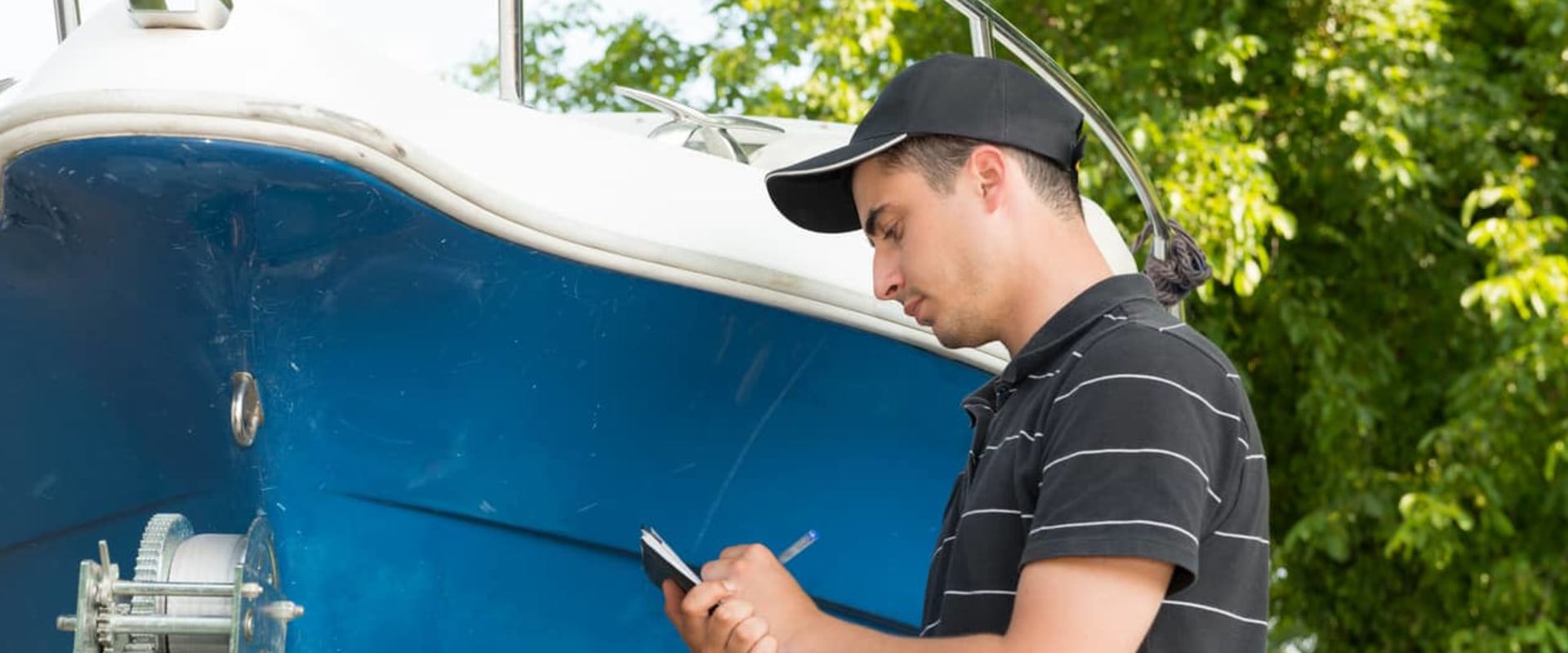
When it comes to inspecting boats, there are several critical areas that potential buyers must focus on to ensure they are making a wise investment. A thorough inspection can save you from costly repairs down the line and help you avoid purchasing a vessel that may not meet your needs. First and foremost, pay close attention to the hull condition.The hull is the boat's primary structure, and any signs of damage, such as cracks, blisters, or discoloration, can indicate underlying issues. Inspect the hull both above and below the waterline for any signs of wear or deterioration. Additionally, check for any previous repairs that may not have been executed properly. Next, conduct a detailed examination of the engine. The engine is the heart of the boat, and ensuring it is in good working order is essential.
Look for any signs of rust or corrosion, inspect belts and hoses for wear, and check fluid levels. If possible, request a sea trial to see how the engine performs under real conditions. This will give you insight into its reliability and efficiency. Don’t overlook the electronics on board. Modern boats are equipped with various electronic systems, including navigation tools, communication devices, and safety equipment.
Test all electronic components to ensure they function properly. Pay attention to the condition of wiring and connections, as these can be prone to degradation over time. By focusing on these key aspects—hull condition, engine checks, and electronics—you can make a more informed decision when it comes to inspecting boats. A comprehensive inspection not only helps you assess the boat's current state but also provides peace of mind in your buying journey.
Financing Your Boat Purchase
When it comes to financing your boat purchase, understanding the different options available is essential for making a sound investment. Whether you are considering a brand-new vessel or a used one, having a clear financial plan will help you stay within budget and avoid unexpected costs. One of the most common financing options is obtaining a boat loan from banks or credit unions.These loans typically come with fixed or variable interest rates and can be tailored to fit your budget with flexible repayment terms. It’s important to shop around and compare rates from various lenders to ensure you secure the best deal. Another option is to consider dealer financing, where boat dealerships may offer their own financing plans. This can sometimes provide promotional rates or incentives, especially for new boats. However, always read the fine print to avoid any hidden fees that could affect your overall cost. If you have a strong credit history, you might also explore personal loans as an alternative financing method.
Personal loans can provide quick access to funds and may not require collateral, but they often come with higher interest rates compared to secured loans. Budgeting is also a critical aspect of financing your boat purchase. Begin by determining how much you can comfortably afford to spend on monthly payments without straining your finances. Consider all costs associated with boat ownership, including insurance, maintenance, docking fees, and fuel. A comprehensive budget will ensure that you are not only prepared for the purchase but also for the ongoing expenses of boat ownership. Lastly, don’t forget to factor in potential resale value when choosing your boat.
Some brands and models retain their value better than others, which can significantly impact your long-term financial strategy. By weighing all these elements carefully, you can make an informed decision that aligns with both your dreams of boating and your financial reality.
Understanding Different Types of Boats
When it comes to inspecting boats, understanding the different types available in the market is essential. Each type of boat comes with its own unique features and inspection requirements that potential buyers should consider. Here, we will outline some of the most common types of boats and what to pay attention to during an inspection.1.Sailboats:
Sailboats are primarily powered by sails and can range from small dinghies to large yachts.When inspecting a sailboat, it’s crucial to check the condition of the sails, rigging, and hull. Look for signs of wear or damage, especially in areas exposed to harsh weather conditions.
2.Powerboats:
These boats are powered by engines and are known for their speed and maneuverability. During an inspection, focus on the engine's condition, fuel system, and electrical components. Ensure that the boat's safety equipment is up to date and functioning properly.3.Fishing Boats:
Designed specifically for fishing, these boats may include features like live wells and rod holders.Inspect the boat’s flooring for water damage, check the engine performance, and verify that all fishing gear storage compartments are in good shape.
4.Yachts:
Yachts are larger vessels often used for leisure cruising. When inspecting a yacht, pay close attention to the overall structure, including the deck, hull, and interior amenities. Make sure to assess both mechanical systems and luxury features.5.Inflatable Boats:
These lightweight boats are easy to transport and store. During inspection, check for any punctures or leaks in the fabric and ensure that all inflation chambers hold air properly. By understanding the various types of boats available and their specific inspection requirements, you’ll be better equipped to make an informed decision when purchasing your next vessel.A thorough inspection tailored to the type of boat can help safeguard your investment and ensure a smooth sailing experience.
Rental Services: What to Inspect
When considering rental boats, it is essential to conduct a thorough inspection before setting sail. This ensures not only your safety but also maximizes your enjoyment on the water. Here are key factors renters should consider when inspecting rental boats.1.Overall Condition
: Start by examining the exterior for any visible damage, such as scratches, dents, or signs of wear and tear. Pay attention to the hull, as any issues here could impact performance and safety.2.Engine and Fuel System
: Inspect the engine thoroughly.Check for any leaks, rust, or corrosion. Ensure that the fuel system is intact and that the fuel levels are adequate for your trip.
3.Safety Equipment
: Verify that all necessary safety equipment is on board and in good condition. This includes life jackets, fire extinguishers, flares, and first aid kits. Ensure that safety gear is appropriate for the number of passengers you plan to have.4.Electronics and Navigation Gear
: Test all electronic components, including GPS systems, radios, and navigation lights.Make sure these tools are functioning correctly to avoid complications while navigating.
5.Interior Amenities
: Assess the comfort and cleanliness of the interior space. Check for working appliances, adequate storage, and overall hygiene, especially if you plan to spend extended time aboard.6.Inspection Report
: Request an inspection report from the rental company that outlines the boat's condition. This document can be crucial if any issues arise during your rental period. By focusing on these key areas, renters can ensure they select a rental boat that is safe, reliable, and ready for an enjoyable experience on the water. In conclusion, thorough inspections and informed choices are paramount when navigating the exciting journey of buying or renting a boat. As you embark on this adventure, take your time to ensure that every detail aligns with your needs and expectations.Don't hesitate to consult experts who can provide invaluable insights and guidance throughout the process. Remember, a well-informed decision not only secures a wise investment but also significantly enhances your overall boating experience.