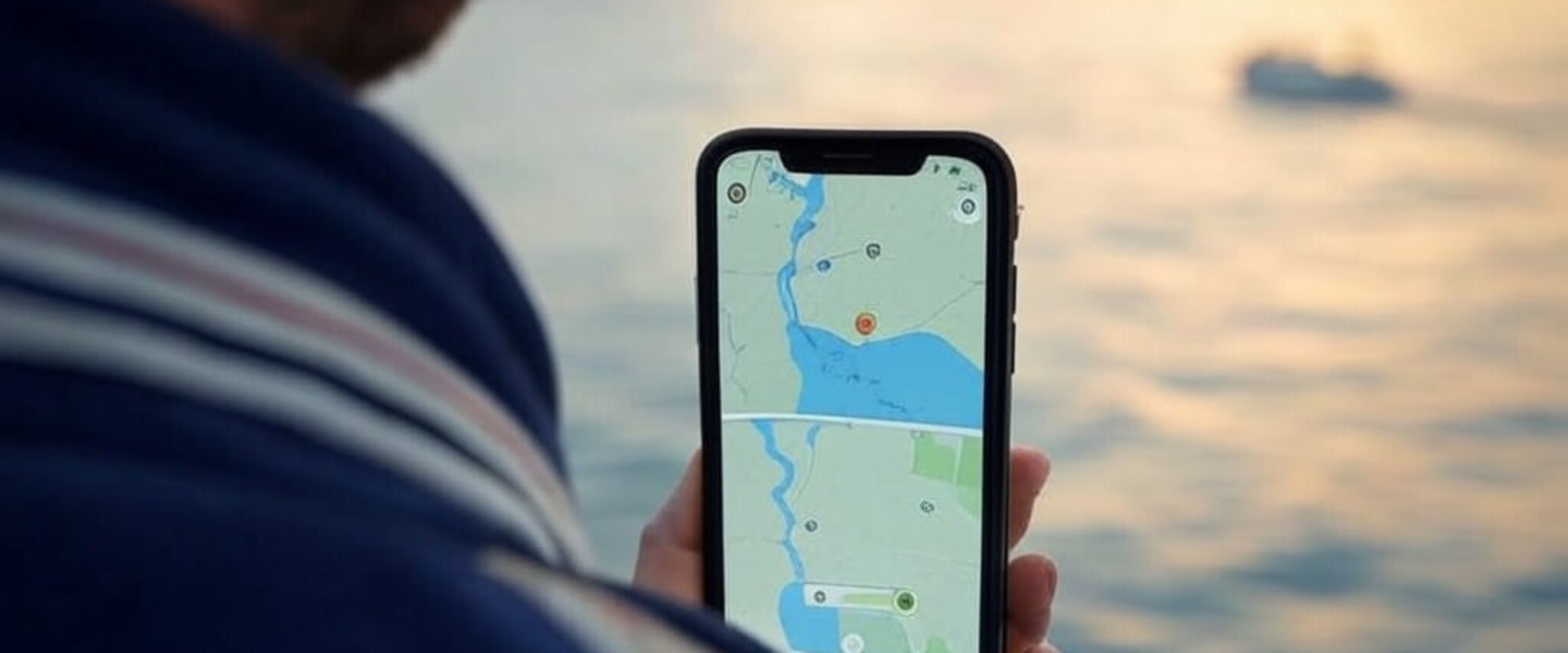
In the vast expanse of open waters, where the horizon meets the sky and adventure awaits, having a reliable navigation tool is essential for every boater.
GPS systems for boating
have revolutionized how we navigate our waterways, offering unparalleled accuracy and convenience. Whether you are a seasoned sailor or a weekend angler, understanding the capabilities of these advanced systems can significantly enhance your boating experience. The evolution of GPS technology has made it more accessible than ever, allowing boaters to explore new territories with confidence. From real-time positioning to detailed mapping and route planning, the features of modern GPS devices are designed to cater to the diverse needs of maritime enthusiasts.But with so many options available, how do you choose the right system for your vessel?This article delves deep into the world of GPS systems for boating, exploring their functionalities, advantages, and what you should consider before making a purchase. As we embark on this journey through navigation technology, you'll discover how these systems not only ensure safety but also enhance your overall boating experience. So, whether you're charting a course through familiar waters or venturing into uncharted territory, let’s set sail into the fascinating realm of GPS navigation!In the realm of boating, the evolution of GPS systems for boating has revolutionized the way mariners navigate the waters. In the early days, boaters relied heavily on traditional navigation methods such as celestial navigation and dead reckoning.
These techniques, while effective, were often imprecise and required significant skill and experience. The advent of Global Positioning System (GPS) technology has transformed this landscape, providing boaters with real-time positioning information, enabling them to traverse both familiar and unfamiliar waters with confidence. Modern GPS systems for boating offer an array of features that ensure not only accurate navigation but also enhanced safety and enjoyment on the water. When considering a GPS unit, it is essential to look for several key features. First and foremost is the waterproof rating; given the marine environment's potential for splashes and rain, having a unit that can withstand water exposure is crucial.
Additionally, screen size plays a significant role in usability; larger screens provide better visibility of maps and data, which can be vital in navigating busy waterways. Another critical factor is ease of use. A user-friendly interface is paramount, especially for those who may be less tech-savvy. Mapping capabilities are also essential; high-quality maps that include not just navigational routes but also points of interest such as marinas, fuel docks, and hazards can greatly enhance the boating experience. There are numerous options available on the market today catering to different budgets and needs. For budget-conscious boaters, units like the Garmin Striker 4 provide excellent value with built-in GPS and sonar capabilities at an affordable price.
On the other end of the spectrum, high-end models such as the Raymarine Axiom Pro offer advanced features including touchscreen controls, superior mapping technologies, and integrated fish finders, making them ideal for serious anglers and recreational boaters alike. Testimonials from avid boaters highlight the significant impact that GPS systems for boating have had on their experiences. One boater shared, "Having a reliable GPS has made my trips so much more enjoyable. I no longer have to worry about getting lost or miscalculating my position on the water." Another noted, "The mapping capabilities allowed me to discover hidden coves and fishing spots that I would have never found using traditional methods." These personal accounts underscore the importance of modern navigation tools in enhancing both safety and adventure. However, some boaters express concerns regarding GPS reliability and battery life. It is worth noting that while GPS technology is generally reliable, factors such as poor satellite signals in dense areas or heavy cloud cover can occasionally affect performance.
To mitigate battery life concerns, many users recommend carrying extra batteries or utilizing solar chargers to ensure their devices remain operational throughout their outings. Complementary accessories can significantly enhance the functionality of GPS systems for boating. Mounting solutions that securely attach GPS units to dashboards or consoles are essential for keeping devices accessible yet protected from the elements. Additionally, external battery packs or portable solar chargers can provide peace of mind during longer excursions. The role of GPS systems extends beyond navigation; they can also assist boaters in finding local vendors and rental services by providing precise location data. Whether seeking a marina for refueling or searching for a boat rental service while traveling, having access to reliable location information can save time and improve overall planning. As we continue to explore the advancements in GPS technology, it becomes clear that these systems are invaluable tools for both seasoned mariners and novices alike.
With their ability to provide accurate navigation, enhance safety, and improve the overall boating experience, investing in a quality GPS system for boating is a decision that every boater should consider seriously.
Finding Boat Vendors with Your GPS
In today’s digital age, GPS systems for boating do more than just provide navigation assistance; they can also help you locate reputable boat dealers and rental services. Whether you are looking to purchase your own vessel or simply want to rent one for a day on the water, having access to accurate location data is invaluable. When you activate your GPS system, it can pinpoint your current location and guide you to nearby boat vendors. Many modern , it can pinpoint your current location and guide you to nearby boat vendors. Many modern GPS systems for boating come equipped with features that allow you to search for specific types of businesses, including marinas, boat dealerships, and rental companies. By inputting relevant keywords into your GPS device, you can easily find highly-rated services in your vicinity. Furthermore, many GPS applications integrate user reviews and ratings, which can help you assess the quality and reputation of a boat vendor before visiting.This feature is particularly useful when you're in an unfamiliar area or when you're seeking recommendations on where to rent or buy a boat. In addition to locating vendors, your GPS system for boating can also provide directions and estimated travel times. This helps ensure that you arrive at your destination without any hassle, allowing you to focus on enjoying your boating experience rather than worrying about navigation. In summary, utilizing a GPS system not only enhances your navigational capabilities but also simplifies the process of finding trustworthy boat vendors and rental services. By taking advantage of this technology, you can make informed decisions and enhance your overall boating adventure.
Complementary Accessories for Your GPS
To maximize the effectiveness of your GPS systems for boating, it's essential to consider various complementary accessories that enhance functionality and usability. These accessories not only improve navigation but also contribute to a safer and more enjoyable experience on the water. One of the most important accessories is a marine antenna.A high-quality antenna can significantly boost the signal strength and accuracy of your GPS device, especially in areas with obstructions like tall buildings or dense foliage. This is crucial for ensuring reliable navigation, which can be lifesaving in unfamiliar waters. Another vital accessory is a chartplotter. While many modern GPS systems come with built-in charts, a dedicated chartplotter offers advanced features like detailed mapping, weather overlays, and real-time data updates. This allows boaters to make informed decisions based on current conditions, enhancing safety and navigation efficiency. Additionally, investing in a power supply system is wise.
A robust power setup ensures that your GPS remains operational during long trips. Consider using a combination of battery backups and solar chargers to keep your device powered without relying solely on the boat's electrical system. Finally, consider adding a mounting bracket for your GPS device. Properly mounting your GPS not only provides easy access while navigating but also protects it from potential damage caused by waves or rough conditions. Ensure that the mount is sturdy and adjustable for optimal visibility. By equipping your GPS systems for boating with these complementary accessories, you can significantly enhance your navigation experience, making every journey safer and more enjoyable.
Understanding GPS Technology in Boating
GPS, or Global Positioning System, is a satellite-based navigation system that allows users to determine their exact location anywhere on Earth.For recreational boating, understanding the basics of how GPS works is essential for enhancing safety and enjoyment on the water. The GPS system consists of a network of satellites orbiting the Earth, ground control stations, and GPS receivers. The satellites continuously transmit signals that contain information about their location and the exact time the signals were sent. A GPS receiver on a boat picks up these signals from at least four satellites to triangulate its position through a process known as trilateration. With this technology, boaters can pinpoint their location with remarkable accuracy, typically within a few meters. This precision is crucial for navigating safely in unfamiliar waters, avoiding hazards, and reaching destinations efficiently.
GPS also provides information such as speed, heading, and even estimated time of arrival at a destination. In addition to basic navigation, modern GPS systems for boating come equipped with various applications and features. Many units include charts and maps that help users visualize their surroundings, while others offer advanced functions like route planning, waypoint marking, and real-time tracking. These features not only enhance the overall boating experience but also contribute significantly to safety on the water. As we dive deeper into the world of GPS systems for boating, readers will discover the different types available, their unique features, and how these tools can transform both the pleasure and safety of their time on the water.
Top GPS Systems for Boating in 2023
When it comes to navigating the open water, having a reliable GPS system is essential. Here are some of the top-rated GPS systems for boating in 2023 that stand out for their features and performance.1.Garmin GPSMAP 86i
: This handheld device is designed for marine use and offers a range of features including satellite communication, detailed mapping, and weather updates.Pros: Compact and portable, great battery life, and includes inReach technology for messaging.
Cons
: Higher price point compared to other handheld options.2.Lowrance HDS Live 12
: A high-end chartplotter with a large display that provides excellent visibility even in bright sunlight. It features advanced mapping capabilities and fish finding technology.Pros
: Impressive display quality, easy-to-use interface, and customizable options.Cons: Can be complex for beginners and may require additional accessories.
3.Simrad GO9 XSE
: This versatile touchscreen chartplotter is great for both navigation and fish finding. It integrates easily with other marine electronics and offers a user-friendly interface.Pros
: Intuitive touchscreen controls, built-in sonar capabilities, and good connectivity options.Cons
: Some users report occasional software glitches.4.Raymarine Axiom 7
: Known for its bright display and fast processor, this chartplotter is ideal for boaters looking for reliable navigation tools.It supports various apps and features like auto-routing.
Pros
: Excellent screen visibility, responsive performance, and smart boat integration.Cons
: Learning curve for new users can be steep.5.Standard Horizon HX890
: This handheld VHF radio/GPS combo is perfect for those who want a device that serves dual purposes. It includes DSC capabilities and a built-in GPS receiver.Pros: Waterproof, floating design, and emergency features.
Cons
: Smaller screen compared to dedicated chartplotters. Each of these GPS systems for boating has unique features that cater to different needs and preferences, ensuring that you can find the right fit for your boating adventures.Key Features to Look for in a Boating GPS System
When selecting a GPS system for boating, several key features can significantly enhance your experience and ensure your safety on the water. Understanding these features will help you make an informed decision, whether you are purchasing a new device or renting a boat equipped with GPS technology. One of the most critical aspects to consider is accuracy. A reliable GPS system should provide precise location information, enabling you to navigate confidently even in challenging conditions.Look for units that utilize multiple satellite systems, such as GPS, GLONASS, and Galileo, to improve positioning accuracy. Another essential feature is chartplotting capability. This allows you to view detailed nautical charts on the device, helping you understand the surrounding waters and plan your route effectively. Advanced chartplotters can display real-time data, including tides, currents, and hazards, ensuring you remain informed while navigating.
User-friendly interface
is also vital. A GPS system should be easy to operate, with clear menus and intuitive controls.Touchscreen displays are increasingly popular, but ensure that the screen is visible in bright sunlight and can be operated with wet fingers or while wearing gloves. Additionally, consider the size and portability of the GPS unit. For smaller boats, a compact device may be preferable, whereas larger vessels might benefit from a larger screen for better visibility. Many modern systems are portable and can be easily transferred between different boats.
Waterproofing
is another crucial feature. Ensure that the device is rated for marine use to withstand splashes and harsh weather conditions.Look for units with an IPX7 rating or higher for maximum protection. Lastly, examine the connectivity options. Many contemporary GPS systems offer Bluetooth or Wi-Fi capabilities, allowing you to connect to other devices, update software, and share data with fellow boaters. This connectivity can enhance your navigation experience by providing access to real-time information. By focusing on these essential features—accuracy, chartplotting capability, user-friendly interface, size and portability, waterproofing, and connectivity options—you can select a GPS system that not only enhances your boating experience but also prioritizes your safety on the water. In conclusion, selecting the right GPS system for boating is essential for ensuring both safety and enjoyment on the water. A reliable GPS not only helps navigate unfamiliar waters but also provides peace of mind, allowing boaters to focus on the experience rather than worrying about getting lost. As you consider your options, it’s important to evaluate your specific needs and preferences.
Whether you’re a casual boater or a seasoned sailor, there’s a boating GPS system out there that can significantly enhance your time on the water. Remember, investing in quality navigation technology can make all the difference in your boating adventures.