When it comes to enjoying the open waters, boating offers an unparalleled sense of freedom and adventure. However, with that freedom comes a responsibility to prioritize safety. Every seasoned sailor knows that being prepared for the unexpected is just as important as having the perfect vessel. This is where flares and emergency kitsflares and emergency kits come into play, serving as essential lifelines in times of distress. Imagine a situation where you’re out on the water, surrounded by calm waves and clear skies, only to find yourself facing an unforeseen emergency.
Whether it’s a sudden storm, engine failure, or an accident that leaves you stranded, having the right safety gear can mean the difference between a minor inconvenience and a life-threatening situation. That’s why equipping your boat with flares and emergency kits is not just a good idea; it’s an absolute necessity. This article will delve into the critical role that flares and emergency kits play in boating safety. We’ll explore the various types of flares available, what essential items should be included in your emergency kit, and tips on how to effectively use this gear in emergencies. So, whether you are a seasoned mariner or a novice embarking on your first boating journey, read on to discover how to safeguard your adventures on the water. When it comes to boating, ensuring the safety of everyone on board is paramount.
Flares and emergency kits are indispensable tools that can significantly enhance safety during your maritime adventures. These items not only comply with legal requirements but can also be lifesavers in emergencies, making them a priority for every boater. There are several types of flares available, each designed for specific situations.
Handheld flares
are compact and easy to use, making them ideal for signaling distress when you're close to shore or in a small boat. They emit bright light and smoke, allowing others to see your location even in challenging weather conditions.On the other hand, aerial flares are designed for long-distance signaling and can be seen from great heights. These flares are launched into the air to create a bright light that can attract the attention of nearby vessels or aircraft. Lastly, smoke signals are particularly useful during daytime emergencies, as they produce a dense cloud of colored smoke that can be seen from afar. It’s essential to understand the regulations surrounding these flares as well. The United States Coast Guard mandates that recreational boats must carry a certain number of flares based on their size and type of water they navigate.
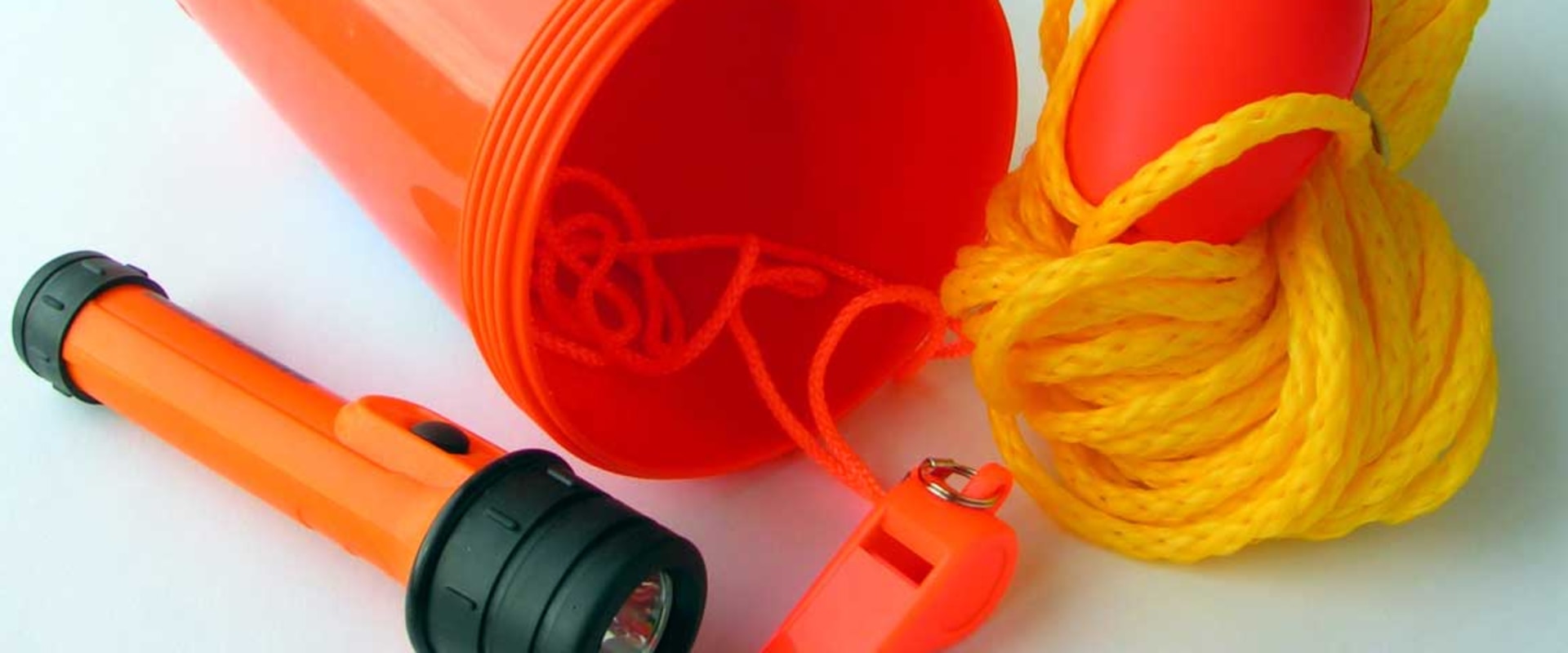
For instance, coastal and offshore vessels require both handheld and aerial flares for added safety. Real-life situations highlight the importance of having these devices on board; for example, there have been instances where boaters were rescued after deploying flares when their vessels capsized or ran aground in remote areas. In addition to flares, having a well-stocked emergency kit is crucial for any boater. Essential items that should be included in an emergency kit are first aid supplies, such as bandages, antiseptics, and any necessary medications. Signaling devices like whistles or mirrors can also prove invaluable in attracting attention.
Furthermore, tools such as multi-tools or knives are critical for performing quick repairs or cutting away entangled lines. Other items may include extra food and water, flashlights with extra batteries, and waterproof bags to keep important documents safe. When considering what emergency kits to purchase, there are many options available on the market tailored to various boating needs. For instance, kits designed specifically for fishing boats may include additional fishing gear repair tools or bait-related supplies. Alternatively, leisure boats might focus more on family health and comfort items.
Popular brands often offer comprehensive kits that meet Coast Guard requirements, ensuring you have everything necessary for a safe outing. The significance of having the right equipment truly depends on your boat type and intended usage. Whether you’re out for a day of fishing or enjoying a weekend cruise with family, understanding your specific needs will inform your choice of flares and emergency kits. For example, anglers might prioritize tools for fish handling alongside traditional safety gear, while leisure boaters may focus more on family-oriented first aid supplies. For those looking to purchase or rent boats, there are several reputable vendors that not only offer quality boats but also provide necessary safety gear recommendations. Many dealers specialize in complete packages that include essential safety equipment along with financing options that make it easier to invest in your boating experience.
Additionally, some vendors offer rental services where you can inquire about included safety gear. This is particularly beneficial for those who are new to boating or just looking for a temporary solution. In conclusion, being prepared with the right safety gear, including flares and emergency kits, is crucial for all boaters. By understanding the different types of flares available, the essential items needed in an emergency kit, and the importance of choosing appropriate equipment based on boat type and usage, you can significantly enhance your safety on the water. Remember that being well-equipped not only meets legal requirements but can also make the difference between a minor inconvenience and a major emergency.
Where to Buy or Rent: Finding Reputable Vendors
When it comes to ensuring your safety on the water, finding reputable vendors for flares and emergency kits is crucial.Whether you are looking to purchase or rent, the right vendor can make all the difference in your boating experience. Start by conducting thorough research online. Look for local marine supply stores and online retailers that specialize in boating equipment. Check their websites for customer reviews and ratings, which can give you insight into their reputation and the quality of their products. Additionally, consider asking fellow boaters for recommendations. Local boating clubs or marinas often have valuable information about the best places to buy or rent safety gear.
Networking with experienced boaters can lead you to reliable vendors who prioritize safety and quality. When visiting a store, take note of how knowledgeable and helpful the staff are. A reputable vendor will have staff who can provide expert advice on safety gear, ensuring you choose the right emergency kits and flares for your needs. Don’t hesitate to ask questions about product specifications, expiration dates, and proper usage. If you prefer renting equipment, ensure that the rental company maintains their inventory properly. Inspect any rented emergency kits and flares before taking them on your trip to guarantee they are in good condition and ready for use in case of an emergency. Lastly, check if the vendor offers any warranties or return policies.
This can provide peace of mind, knowing that you are making a safe investment in your boating safety gear.
Types of Flares: Choosing the Right One
When it comes to safety on the water, understanding the different types of flares is essential for every boater.Flares
are crucial signaling devices that can alert nearby vessels or rescue teams in case of an emergency. There are three main types of flares that boaters should be familiar with: handheld flares, parachute flares, and smoke signals.Handheld flares
are portable and easy to use. They emit a bright light when ignited, making them effective for signaling distress during nighttime emergencies or low visibility conditions.These flares are typically designed to burn for approximately 60 to 120 seconds and can be held in one hand while you signal for help.
Parachute flares
, on the other hand, are launched into the sky where they explode at a height, producing a bright light visible from miles away. These are especially useful for attracting attention over long distances and are often used when you need to signal rescue operations during the day or night. Lastly, smoke signals provide a dense plume of brightly colored smoke, making them particularly effective during the daytime. They are used primarily for visual signaling and can be seen from considerable distances, especially over water. In addition to understanding the different types of flares available, it's important to note the legal requirements surrounding their use. Many countries and states have specific regulations regarding the number and type of flares that must be carried onboard.Typically, boaters are required to have at least three flares on board, including a combination of handheld and parachute flares. Always check your local maritime laws to ensure compliance and remain safe while boating.
Financing Options for Your Boating Needs
When it comes to acquiring your dream boat or essential safety gear like flares and emergency kits, understanding your financing options is crucial. There are several avenues you can explore to ensure you have the necessary equipment for safe boating experiences. One popular option is taking out a loan specifically designed for purchasing boats and accessories. Many banks and credit unions offer marine loans that can cover not just the boat itself but also the necessary accessories such as emergency kits and safety gear like flares.These loans typically come with competitive interest rates, making them a feasible choice for many boaters. Another option is leasing, which allows you to use a boat or equipment for a set period while making monthly payments. Leasing can be an attractive alternative if you prefer not to commit to ownership right away. This method often includes maintenance and insurance in the lease agreement, providing peace of mind while you enjoy your time on the water. If you're looking for a more flexible arrangement, rental agreements might be the way to go. Many boating companies offer rental services for both boats and essential gear, including emergency kits and flares.
This option is particularly useful for occasional boaters who may not want to invest heavily in their own equipment but still wish to ensure their safety while on the water. Ultimately, whichever financing option you choose, it’s important to prioritize acquiring quality safety gear. Having reliable flares and emergency kits on board can make all the difference in a critical situation, ensuring that you're prepared for any unexpected events during your boating adventures.
What to Include in Your Emergency Kit
As a boater, being prepared for emergencies is crucial, and having a well-stocked emergency kit can make all the difference. Here are the essential items that every boater should include in their emergency kit:Flares: Flares are vital for signaling distress. Ensure you have both hand-held and aerial flares, as they increase visibility and alert nearby boats or aircraft.First Aid Kit
: A comprehensive first aid kit is a must-have.It should include bandages, antiseptic wipes, adhesive tape, pain relievers, and any personal medications you may need.
Water and Non-Perishable Food
: In case of extended time on the water due to an emergency, pack enough bottled water and non-perishable snacks such as energy bars or dried fruits to sustain you.Whistle
: A loud whistle can be heard over long distances and is essential for calling for help without exhausting your voice.Flashlight with Extra Batteries
: A reliable flashlight is crucial for navigating dark conditions. Make sure to pack extra batteries to ensure it remains operational.Multi-tool or Knife
: A multi-tool or sturdy knife can be invaluable for various tasks, from cutting rope to making emergency repairs.Fire Extinguisher
: Depending on the size of your boat and its equipment, having a fire extinguisher is essential for dealing with potential fire hazards on board.Emergency Blanket
: An emergency blanket can help retain body heat in cold conditions, providing warmth until help arrives.Signal Mirror
: A signal mirror can reflect sunlight and attract attention from rescuers, serving as an alternative signaling method when visibility is limited. When assembling your emergency kit, consider the size of your boat and the number of people on board. Regularly check expiration dates on food items and medications, and replace any used or expired items promptly. By taking the time to prepare your emergency kit, you can ensure that you are ready for anything that might happen while enjoying your time on the water. In conclusion, having flares and an emergency kit on board is not just a recommendation; it's a crucial aspect of boating safety.These items can be lifesavers in unexpected situations, ensuring that you are prepared to signal for help or address emergencies effectively. Prioritizing safety gear is essential for every boater, as it enhances your confidence and peace of mind on the water. As you embark on your boating adventures, remember to check local regulations regarding safety equipment. This will help ensure you have the necessary items on board to comply with legal requirements and enhance your safety. Additionally, explore reputable vendors for purchasing or renting boats and safety gear, as this can provide you with quality products that meet industry standards. Ultimately, your commitment to safety not only protects you but also contributes to a safer boating environment for everyone.