When it comes to enjoying time on the water, safety should always be a top priority. Whether you are sailing, kayaking, fishing, or simply cruising along a picturesque lake, having the right safety gear can make all the difference in ensuring a fun and secure experience. Among the most essential items in any boater's inventory are life jackets and personal flotation devices (PFDs)life jackets and personal flotation devices (PFDs) and personal flotation devices (PFDs)life jackets and personal flotation devices (PFDs). These crucial tools not only provide buoyancy but also serve as a vital line of defense against the unpredictable nature of water activities. In this article, we will delve into the world of life jackets and personal flotation devices (PFDs), exploring their various types, features, and the regulations that govern their use.
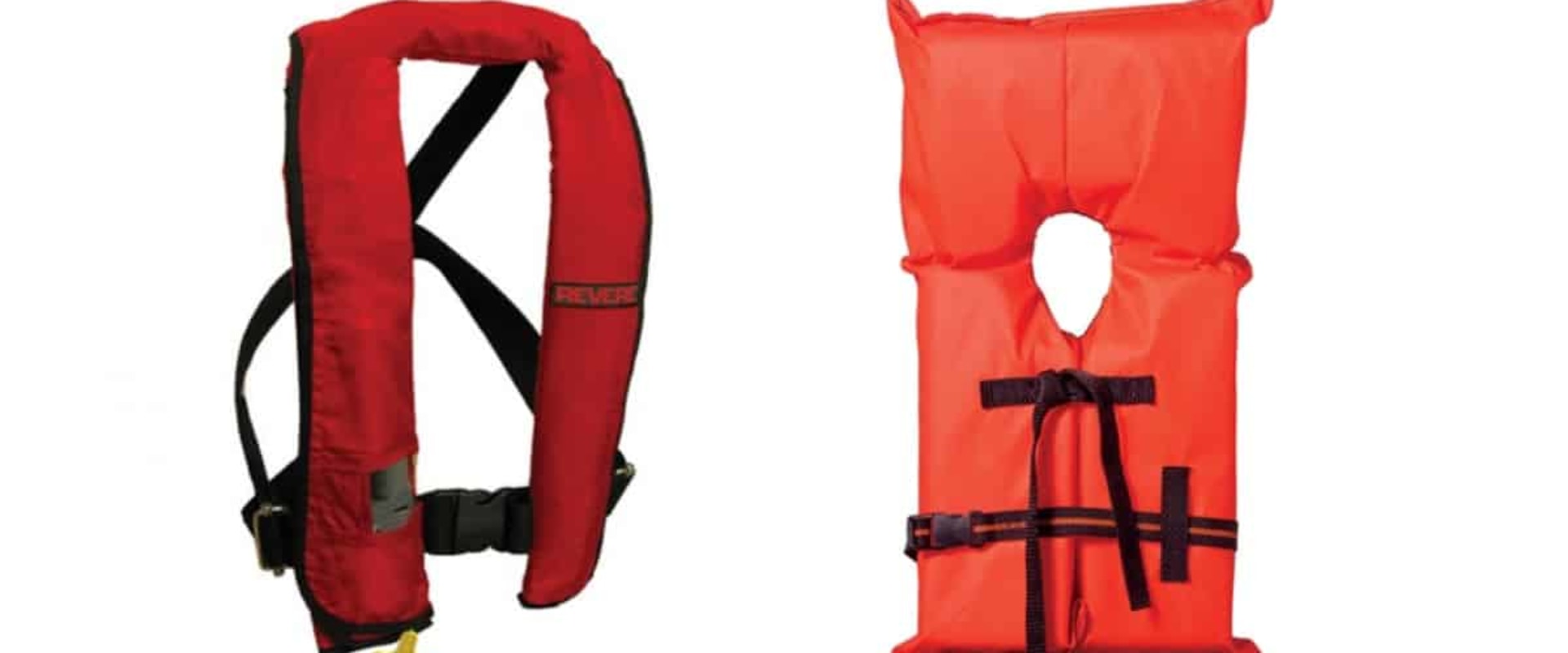
By understanding how these devices work and why they are indispensable for anyone who spends time on the water, you will be better equipped to make informed decisions about your safety and that of your loved ones. Join us as we navigate through the essential information regarding life jackets and personal flotation devices (PFDs), empowering you to prioritize safety without sacrificing enjoyment on your aquatic adventures!Safety gear is a paramount consideration for anyone engaging in boating activities, with life jackets and personal flotation devices (PFDs) being the most critical components. These devices play an essential role in preventing drowning and ensuring the safety of individuals on the water. Understanding the different types of life jackets and PFDs available can help boaters make informed choices that enhance their safety and enjoyment while on the water. There are several types of life jackets and PFDs available on the market, each designed for specific uses and environments. For instance, Type I life jackets, also known as offshore life jackets, provide the highest buoyancy and are designed for open, rough waters.
They are typically bulky but offer maximum floatation. On the other hand, Type II life jackets, or near-shore buoyancy vests, are suitable for calm waters and are easier to put on and take off.
Type III PFDs
are designed for specific activities such as kayaking or sailing and are more comfortable for extended wear but may not turn an unconscious person face-up in the water. Finally, Type IV PFDs, which include throwable devices like cushions or rings, are essential as part of a safety kit but should not be relied upon as the primary flotation device.Understanding these distinctions is crucial for selecting the right device based on the intended use. When choosing a life jacket or PFD, factors such as buoyancy, fit, and comfort significantly affect a user's decision. A properly fitting life jacket is essential; it should be snug but not restrictive. Many brands offer adjustable straps to ensure a secure fit. Buoyancy is another vital factor—users should consider their weight and body type to select a device that provides adequate support.
Comfort is also important; if a life jacket is uncomfortable, it may discourage wearers from using it at all. Therefore, trying on different styles and sizes before making a purchase is advisable. Legal requirements for wearing life jackets while boating vary by location but generally mandate that all boats carry enough life jackets for each passenger. Many regions require children under a certain age to wear a life jacket at all times when on a boat. Understanding these regulations can influence a buyer's decision, especially when families are involved.
Always check local laws before heading out on the water to ensure compliance and safety. Several brands have earned reputations for producing high-quality life jackets and PFDs. For example, Kent offers a range of affordable options, including models specifically designed for children and pets, ensuring every family member can stay safe while enjoying boating activities. Another well-reviewed brand is , known for its comfortable designs that cater to both recreational and professional boaters. Additionally, is popular among water sports enthusiasts who seek stylish yet functional PFDs. Boat vendors often provide opportunities to purchase or rent life jackets and PFDs, making it easier for individuals to access these safety devices without a significant investment.
Many boat rental companies include life jackets as part of their rental packages, ensuring that customers have access to essential safety gear during their outings. It's advisable to inquire with local boat vendors about available options for purchasing or renting these devices. Despite their importance, there are common misconceptions about life jackets. Some individuals believe they are only necessary for specific types of boating activities, such as sailing or fishing. However, any time you are on the water—regardless of the activity—wearing a life jacket can significantly increase your chances of survival in an emergency situation.
Testimonials from seasoned boating enthusiasts reinforce this point; many share stories of close calls where having a life jacket made all the difference. Some may object to wearing life jackets due to perceived discomfort or bulkiness. However, advancements in design have led to slimmer profiles and more breathable materials that enhance comfort without sacrificing safety. Users often find that once they try modern designs, their initial concerns about discomfort dissipate. In conclusion, understanding the various types of life jackets and PFDs, along with their specific uses and legal requirements, is vital for anyone engaging in boating activities. Making informed choices based on factors like buoyancy, fit, comfort, and available options from reputable brands can lead to safer experiences on the water.
Safety Regulations for Life Jackets
Life jackets and personal flotation devices (PFDs) are not just essential safety equipment; they are also subject to various legal requirements that vary by region and type of watercraft.Understanding these regulations is crucial for boaters to ensure compliance and enhance safety on the water. In many jurisdictions, the law mandates that all vessels carry an appropriate number of life jackets or PFDs for every person on board. This is particularly important for recreational boats, such as kayaks, canoes, and motorboats. Furthermore, different types of boats may have specific regulations regarding the type and size of life jackets required. For instance, children often must wear a PFD at all times while on the water. Most laws also stipulate that life jackets must be Coast Guard-approved, meaning they have been tested and meet specific safety standards.
Boaters should always check the labels on their PFDs to ensure they are compliant with local regulations. In addition to quantity and approval status, some regions require certain types of life jackets based on the activity being undertaken. For example, inflatable PFDs may be permissible for adult users in calm waters but might not be acceptable for children or in rough conditions. It’s essential for boaters to familiarize themselves with both state and federal regulations governing flotation devices to avoid penalties and ensure safety. Lastly, regulations often include provisions for regularly inspecting life jackets. Boaters should make it a practice to check their safety gear periodically, ensuring that all devices are in good condition and ready for use when needed.
Choosing the Right Life Jacket
When it comes to ensuring safety on the water, selecting the appropriate life jacket is paramount.Life jackets and personal flotation devices (PFDs) are not one-size-fits-all; various factors must be considered to ensure optimal protection. First and foremost, size is a critical factor. A life jacket must fit snugly but comfortably. If it is too loose, it may ride up and not provide adequate buoyancy in an emergency.
Conversely, a jacket that is too tight can restrict movement and make it uncomfortable to wear. Always refer to the manufacturer's sizing chart based on weight and chest measurements to find the right fit. Another important consideration is weight capacity. Each life jacket is designed to support a specific weight range. It is essential to choose a device that can adequately support the wearer’s weight, as this directly affects buoyancy and overall effectiveness in the water. The type of activity you will be engaging in also influences the choice of life jacket.
For instance, if you are kayaking or paddleboarding, you may prefer a low-profile jacket that allows for greater mobility. In contrast, for fishing or boating, a more robust life jacket with additional pockets and features may be beneficial. Additionally, consider the environment where the life jacket will be used. Some jackets are designed for specific conditions, such as cold water or turbulent waters, and may include features like insulation or added visibility. Always assess the environment to ensure you choose a jacket that meets the demands of your activity. Ultimately, selecting the right life jacket involves careful consideration of size, weight capacity, activity type, and environmental conditions.
By prioritizing these factors, you can enhance your safety and enjoyment while on the water.
Common Myths about Life Jackets
Despite their critical role in enhancing safety on the water, life jackets and personal flotation devices (PFDs) are often surrounded by misconceptions that can deter individuals from using them. Addressing these myths is essential to promote a culture of safety and encourage more people to wear these vital devices. One common myth is that life jackets are only necessary for inexperienced boaters. In reality, accidents can happen to anyone, regardless of their skill level or experience on the water. Wearing a PFD significantly increases the chances of survival in case of an unexpected fall overboard or capsizing. Another prevalent belief is that life jackets are uncomfortable and restrict movement.Modern designs have evolved significantly, with many options tailored for comfort and flexibility, allowing for freedom of movement while still providing essential buoyancy. Some people think that they don’t need to wear a PFD if they are on a boat with safety features like railings or if they are just going for a short trip. However, even brief outings can lead to unforeseen circumstances, such as sudden weather changes or equipment failure. It is always better to be prepared by wearing a life jacket.Finally, many believe that they will be able to swim to safety if they fall into the water. This is a dangerous assumption; factors such as cold water temperatures, fatigue, or unexpected currents can hinder swimming ability.
A PFD provides essential flotation support, allowing individuals to stay afloat until help arrives. By dispelling these myths and promoting factual information about life jackets and PFDs, we can encourage more people to embrace these safety devices and enhance their overall boating experience.
Types of Life Jackets and PFDs
When it comes to ensuring safety on the water, life jackets and personal flotation devices (PFDs) are essential. They come in various types, each designed for specific situations and user needs. Understanding these types can help you make an informed decision when purchasing or renting.Type I Life Jackets
, also known as Offshore Life Jackets, are designed for open water and rough conditions. They provide the highest buoyancy and are capable of turning an unconscious person face-up in the water, making them suitable for commercial vessels and situations where rescue may take time.Type II Life Jackets
, or Near-Shore Buoyant Vests, are intended for calm waters and are commonly used for recreational boating.They offer less buoyancy than Type I jackets but still provide reliable flotation for individuals who may be able to assist in their own rescue.
Type III Life Jackets
, often referred to as Flotation Aids, are designed for users engaged in specific activities like waterskiing or kayaking. They allow for greater freedom of movement and are comfortable enough to be worn for extended periods, although they do not guarantee face-up positioning in the water.Type IV Personal Flotation Devices
are throwable devices like cushions or rings. They are not meant to be worn but can be thrown to someone in distress. These devices are crucial in emergencies where immediate assistance is needed.Type V Life Jackets
are specialized devices that are used for specific activities such as windsurfing or kayaking.They often have additional features tailored for particular sports and may not be suitable for all boating activities. It's important to read the label carefully to ensure they meet the requirements for your intended use. By understanding the different types of life jackets and PFDs, you can better assess what is necessary for your boating adventures, ensuring safety remains a top priority.
Where to Buy or Rent Life Jackets
When it comes to purchasing or renting life jackets and personal flotation devices (PFDs), it’s essential to choose reputable boat vendors that prioritize safety and quality. Here are some options to consider:1.Local Marine Supply Stores: Many local marine supply stores specialize in boating equipment and typically carry a range of life jackets and PFDs. Prices can vary based on brand and type, but you might expect to pay anywhere from $30 to $150 for new devices.These stores often have knowledgeable staff who can help you choose the right size and style for your needs.
2.Online Retailers:
Websites like Amazon, West Marine, and Overton's offer a wide selection of life jackets and PFDs. Shopping online allows you to compare prices easily, with options ranging from budget-friendly models starting at $20 to high-end brands that can exceed $200. Be sure to check customer reviews for product reliability.3.Boat Rental Companies:
If you’re looking to rent rather than buy, many boat rental companies include PFDs in their rental packages. Some may charge a small fee (around $5 to $15) for each life jacket, while others may include them at no additional cost.Always confirm that the rental company provides Coast Guard-approved devices.
4.Sporting Goods Stores:
National chains like Dick's Sporting Goods and Academy Sports + Outdoors often have dedicated sections for boating safety gear. Here, you can find various National chains like Dick's Sporting Goods and Academy Sports + Outdoors often have dedicated sections for boating safety gear. Here, you can find various life jackets and PFDs priced from $25 to $100, catering to different ages and activities.5.Specialty Safety Gear Suppliers:
Companies that focus specifically on safety gear might offer higher-quality options for professional or recreational use. Prices can be higher, often starting at $50 and going up significantly based on the features offered. Before making a purchase or rental decision, always ensure that the life jackets and PFDs meet safety standards set by the Coast Guard or other regulatory bodies. This will help ensure that you and your loved ones remain safe while enjoying your time on the water.Life jackets
and personal flotation devices (PFDs) are not just accessories; they are essential safety gear that can save lives.Whether you're an experienced boater or a casual weekend enthusiast, ensuring that you have a properly fitted life jacket or PFD on board is crucial. In the event of an unexpected situation, having the right safety equipment can significantly reduce the risk of drowning and enhance your overall boating experience. Investing in quality safety gear from reputable vendors is a decision that prioritizes not only your safety but also that of your passengers. Remember, the right equipment can make all the difference between a thrilling adventure on the water and a potentially dangerous situation. Always check for compliance with safety regulations and dispel any common myths about life jackets to ensure you make informed choices. Ultimately, by placing a strong emphasis on safety gear like life jackets and PFDs, you contribute to a safer boating environment for everyone.
Enjoy your time on the water responsibly!.