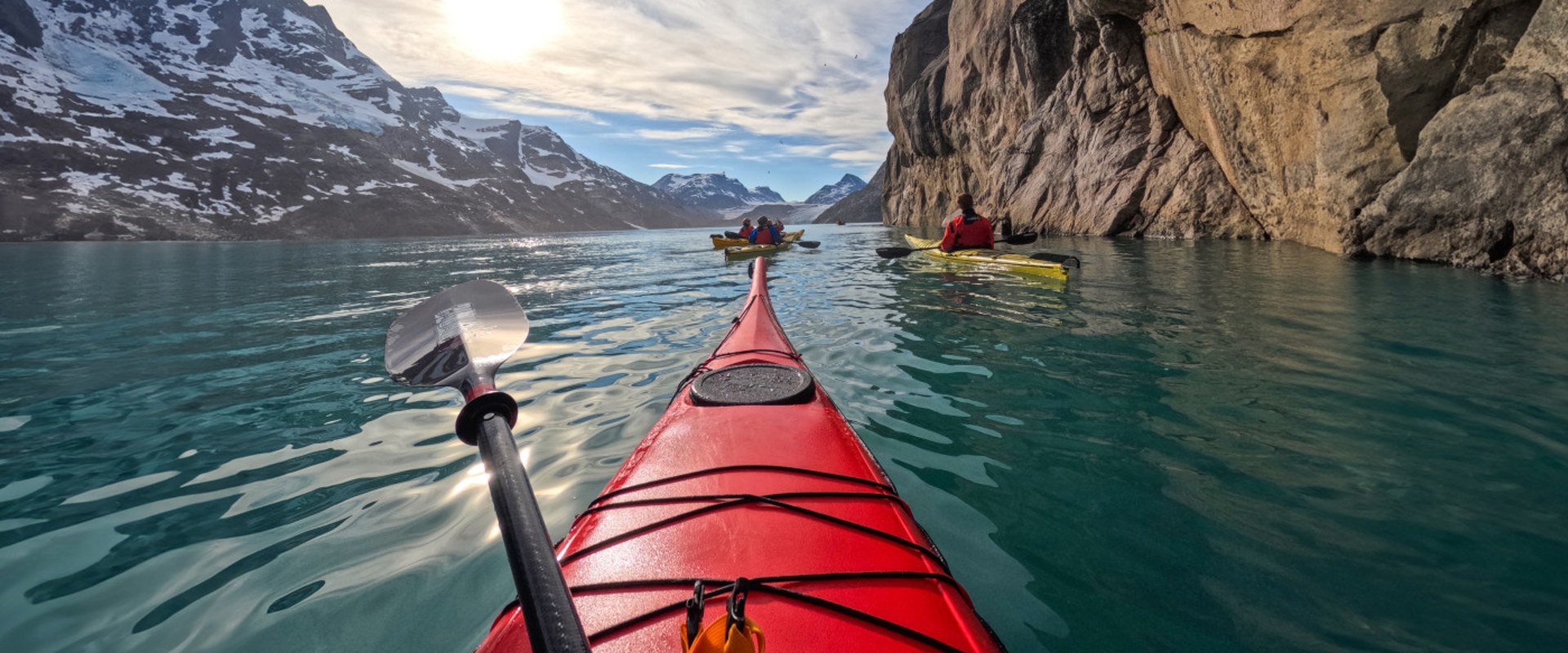
Welcome to the world of water exploration, where kayaks and canoes stand as timeless vessels for adventure seekers and nature lovers alike. Whether you're gliding across a serene lake at dawn or navigating through winding rivers under the canopy of towering trees, these versatile boats offer unique experiences that cater to every adventurer's spirit. With origins that date back thousands of years, kayaks and canoes have evolved into popular recreational crafts, each with its distinct features and characteristics. Kayaking often emphasizes speed and maneuverability, making it perfect for those seeking a thrilling ride, while canoeing tends to embrace a more leisurely pace, allowing for peaceful moments of reflection amidst the beauty of nature. But what truly sets these boats apart? And how can you choose the right one for your adventures?This article dives deep into the fascinating world of kayaks and canoes, exploring their designs, benefits, and suitable uses.
Whether you're a seasoned paddler or a curious beginner, we aim to provide insights that will enhance your understanding and appreciation of these remarkable watercraft. So, grab your paddle and get ready to embark on an exciting journey into the realm of kayaks and canoes.In the vast world of watercraft, kayaks and canoes stand out as two of the most popular options for those seeking adventure on lakes, rivers, and oceans. Whether you're a seasoned paddler or a curious beginner, the allure of gliding across serene waters while surrounded by nature is undeniable. With their unique designs and varying capabilities, these vessels cater to a diverse range of activities, from tranquil fishing trips to exhilarating white-water challenges. As we delve into the fascinating realm of kayaks and canoes, you'll discover the distinct features that set them apart, their rich histories, and how they can enhance your outdoor experiences.
Join us as we explore the many styles available, the gear you might need, and tips for choosing the perfect craft to suit your adventures. Whether you’re looking to embark on a peaceful paddle at dawn or tackle rapids with friends, this article will guide you through everything you need to know about these versatile watercraft. The world of recreational water sports has seen a significant surge in popularity, particularly in the realms of kayaking and canoeing. These activities offer a blend of adventure and tranquility, allowing individuals to immerse themselves in nature while engaging in physical exercise. Both kayaks and canoes cater to a wide range of enthusiasts, from casual paddlers seeking a leisurely outing to serious adventurers looking to conquer more challenging waters.
This article aims to guide readers through the essentials of these vessels, helping them find reliable vendors for purchasing or renting kayaks and canoes, along with insights into additional services they may require. To start, it’s crucial to understand the key differences between kayaks and canoes. Kayaks are typically enclosed and feature a cockpit where the paddler sits, offering a more streamlined design that enhances speed and maneuverability. They are often favored for their stability in rough waters and are ideal for activities like whitewater kayaking or sea kayaking. Canoes, on the other hand, are open-top boats that accommodate multiple passengers and provide a more spacious environment for leisurely paddling.
They are generally better suited for calm waters such as lakes and gentle rivers, making them an excellent choice for family outings or fishing trips. Understanding these distinctions helps adventurers select the right vessel for their intended activities. When it comes to the types of kayaks and canoes available on the market today, there is an impressive variety tailored to different needs. Recreational kayaks are designed for ease of use, perfect for beginners who want to explore lakes or calm rivers without advanced skills. Touring kayaks are longer and narrower, built for extended trips where tracking and speed are vital.
For those who enjoy fishing, specialized fishing kayaks come equipped with rod holders and ample storage for gear. On the canoe side, options range from lightweight solo canoes designed for swift maneuverability to larger family canoes that comfortably fit several people. Each type serves distinct preferences and activities, making it essential for buyers to consider their individual needs when selecting a boat. Choosing the right kayak or canoe involves several practical considerations. When purchasing new or used boats, prospective buyers should focus on material quality; polyethylene and fiberglass are common materials that provide durability but vary in weight and price.
Stability is another critical factor, especially for beginners; wider hulls generally offer greater stability on the water. Additionally, storage capacity should be assessed based on how much gear will be brought along on trips. Buyers should also take into account their transportation options—ensure that the vehicle can accommodate the size of the kayak or canoe. Finding reputable boat vendors is key to making an informed purchase. Many local outdoor retailers offer a range of kayaks and canoes, providing opportunities for customers to test different models before buying. Stability is another critical factor, especially for beginners; wider hulls generally offer greater stability on the water. Additionally, storage capacity should be assessed based on how much gear will be brought along on trips. Buyers should also take into account their transportation options—ensure that the vehicle can accommodate the size of the kayak or canoe. Finding reputable boat vendors is key to making an informed purchase. Many local outdoor retailers offer a range of kayaks and canoes, providing opportunities for customers to test different models before buying.
Online vendors also present a vast selection, often at competitive prices. Websites dedicated to outdoor sports often feature customer reviews which can help buyers gauge product quality before making a decision. Financing options are another important consideration when purchasing a kayak or canoe. Many retailers offer financing plans that allow buyers to pay off their purchases over time, making it more manageable to invest in quality equipment. Some vendors may provide discounts for first-time buyers or promotional offers during peak seasons.
Loans specifically tailored for recreational equipment may also be available through certain financial institutions. For those hesitant about making a purchase, rental services offer a fantastic alternative. Many local outfitters provide hourly or daily rental options that allow individuals to experience kayaking or canoeing without the commitment of ownership. Rental agreements typically outline the duration of use, costs associated with damage, and any required safety briefings before heading out on the water. Expect rental rates to vary based on location and demand; however, this approach allows newcomers to explore different types of boats before deciding which one suits them best. No kayaking or canoeing adventure is complete without proper accessories that enhance safety and comfort on the water.
Essential items include life jackets—mandatory in many areas—as well as quality paddles designed for efficiency. Storage solutions like dry bags are crucial for keeping gear safe from water exposure. Safety gear such as whistles and first aid kits should also be part of every outing preparation. Popular brands like NRS for gear or Wilderness Systems for boats stand out among enthusiasts for their reliability and performance. In conclusion, whether you’re drawn to the speed of kayaks or the spaciousness of canoes, understanding your options is vital in making an informed decision that aligns with your paddling aspirations.
This adventure awaits both seasoned paddlers and newcomers alike. When it comes to exploring the great outdoors, few activities are as exhilarating and accessible as paddling. Both kayaks and canoes have surged in popularity, attracting individuals and families who seek adventure on the water. While they may seem similar at first glance, these two types of boats have distinct differences in design, usage, and suitability for various water conditions. Understanding these differences is essential for anyone looking to embark on a kayaking or canoeing journey.
Kayaks
are typically enclosed vessels designed for one or two paddlers, featuring a cockpit where the paddler sits low to the water.This design provides increased stability and control, making kayaks ideal for navigating rough waters or swift currents. They are also generally more streamlined, allowing for faster speeds over long distances. In contrast, canoes have an open design that can accommodate multiple passengers sitting on benches or kneeling inside the boat. This structure is better suited for calm waters such as lakes and slow-moving rivers, where leisurely exploration is the focus rather than speed. The versatility of kayaks and canoes has led to various types available in today’s market.
For instance, recreational kayaks are perfect for casual outings on calm waters, while touring kayaks are designed for longer trips and often include features like storage compartments for gear. Fishing kayaks cater specifically to anglers with built-in rod holders and extra stability for standing while casting. On the other hand, whitewater kayaks are crafted to handle rapids, with shorter lengths and reinforced materials that can endure impacts. When selecting a kayak or canoe, it’s crucial to consider individual needs and preferences. Factors such as intended use, experience level, and physical capability should guide your choice.
For example, a beginner might prefer a wider, more stable recreational kayak that allows easy maneuverability, while an experienced paddler might seek a sleek touring kayak for extended adventures. In addition to type and design, practical considerations come into play when purchasing new or used boats. Look for quality materials like polyethylene or fiberglass that ensure durability while remaining lightweight. Stability is paramount; test how the boat feels on the water, ensuring it doesn’t tip easily when shifting weight. Storage capacity is also key—consider how much gear you’ll need to carry, including safety equipment and personal items. Once you’ve made your decision about what type of boat suits your needs, it’s time to explore reputable vendors where you can purchase or rent kayaks and canoes.
Local sporting goods stores often have knowledgeable staff who can offer insights into the best options for your adventure style. Online retailers like REI and Amazon provide a vast selection of both new and used boats along with customer reviews that can help inform your purchase. Financing options are available for those looking to invest in their own vessel. Many retailers offer loans or payment plans that allow buyers to spread out the cost over time. Additionally, first-time buyers may find discounts or promotional offers that make their purchase more affordable. If owning a boat isn’t feasible at the moment, rental services present an excellent alternative.
Many locations near lakes and rivers offer hourly rental rates that are budget-friendly. Be sure to review rental agreements carefully; understand what’s included in the rental fee and any potential fees for damages or late returns. Expect to receive a brief orientation on how to operate the boat safely before heading out on the water. Enhancing your kayaking or canoeing experience involves more than just choosing the right boat; it also requires the right accessories. Safety gear such as life jackets is non-negotiable—look for products that meet safety standards and fit comfortably.
Quality paddles made from lightweight materials can significantly improve your paddling efficiency. Storage solutions like dry bags are essential for keeping personal items safe from water damage during your adventures. Popular brands like NRS and Yak Gear offer a variety of accessories that cater to both beginners and seasoned adventurers alike. Investing in these essentials ensures not only safety but also maximizes enjoyment during your time on the water.
Understanding Kayaks vs. Canoes
When it comes to choosing between kayaks and canoes, understanding their fundamental differences is essential for adventurers seeking the right vessel for their needs.Both types of boats offer unique experiences on the water, but they cater to different styles of paddling and activities.
Kayaks
typically feature a closed deck and a cockpit where the paddler sits, allowing for a lower center of gravity and increased stability. This design is particularly beneficial for navigating rough waters or engaging in activities like whitewater kayaking or sea kayaking. The use of a double-bladed paddle enables kayakers to achieve greater speed and maneuverability, making it a preferred choice for those looking to cover long distances efficiently. In contrast, canoes have an open deck with higher sides, providing ample space for passengers and gear. Paddlers sit on benches or kneel within the canoe, using a single-bladed paddle.This makes canoes ideal for leisurely trips on calm waters, family outings, or fishing expeditions where stability and capacity are more important than speed. Their design allows for easy entry and exit, making them accessible for beginners and those looking to enjoy a more relaxed day on the water. Ultimately, the choice between kayaks and canoes depends on individual preferences, intended activities, and the type of water conditions you plan to explore. Understanding these differences can help you make an informed decision that aligns with your adventure goals.
Buying New vs. Used
When it comes to acquiring your own watercraft, kayaks and canoes can be found in both new and used conditions, each option presenting unique advantages and considerations.Whether you're a beginner or a seasoned paddler, understanding these differences can help you make an informed decision. Purchasing a new kayak or canoe ensures that you are getting a product with the latest technology, materials, and designs. New models often come with warranties, providing peace of mind regarding durability and performance. However, the cost can be significantly higher, which may not fit every adventurer's budget. On the other hand, buying a used kayak or canoe can be a cost-effective solution for those looking to save money. Used boats can often be found at lower prices, but it's crucial to conduct a thorough inspection before making a purchase.
Look for signs of wear and tear, such as cracks in the hull, damage to the seams, or any significant discoloration that might indicate exposure to harsh conditions. When considering where to buy, it’s essential to seek out trusted vendors. Local shops specializing in watercraft often have knowledgeable staff who can provide valuable insights and assistance. Additionally, online marketplaces can offer a wide range of options; however, ensure you verify the seller's reputation and check for reviews before finalizing any transaction. In summary, whether you choose to buy new or used, understanding the pros and cons of each option will help you find the perfect kayak or canoe that suits your adventure needs and budget.
Renting Kayaks and Canoes
For those who are new to boating or prefer short-term use, renting kayaks and canoes can be an excellent option. Many outdoor recreation shops, marinas, and specialized rental companies offer a variety of vessels to suit different skill levels and preferences.Whether you are planning a leisurely day on the lake or an adventurous weekend trip, rental services provide the flexibility you need without the long-term commitment of ownership. When considering kayak and canoe rentals, it’s essential to explore local vendors that cater to your specific location. Many areas with popular waterways will have established rental services that can guide you on the best vessels for your planned activities. This allows you to try different types of boats before making a purchase, ensuring that you find the perfect fit for your paddling style. Additionally, many rental companies offer packages that include essential gear such as paddles, life jackets, and even safety briefings. This is especially beneficial for beginners who may not have all the necessary equipment or knowledge about water safety.
It’s always advisable to inquire about any additional services, such as guided tours or lessons, which can enhance your experience and boost your confidence on the water. For those looking to enjoy a weekend getaway or a spontaneous adventure, rental options often include hourly, daily, or even multi-day rates, allowing for great flexibility. Always check for online reservations or discounts for extended rentals, as many vendors provide competitive pricing during peak seasons. In conclusion, renting kayaks and canoes is a fantastic way to dive into the world of paddling without the need for investment upfront. With a variety of options available and added services to support your adventure, it’s never been easier to get out on the water and explore nature’s beauty.
Essential Accessories for Your Boating Adventure
When embarking on a kayaking or canoeing adventure, it's essential to equip yourself with the right accessories that not only enhance your experience but also ensure your safety on the water. Here are some vital accessories to consider:Personal Flotation Devices (PFDs) are crucial for any paddler.These life jackets come in various styles and sizes, ensuring comfort and safety while you navigate through waters. Always check for proper fit and buoyancy ratings before hitting the water.
Paddles
are another fundamental accessory. Choosing the right paddle can make a significant difference in your paddling efficiency and comfort. Consider the length, material, and blade shape based on your specific needs and preferences. A dry bag is essential for keeping your gear safe and dry.Whether it's your phone, snacks, or extra clothing, a dry bag will protect your belongings from splashes and unexpected rain.
First Aid Kit
is an often-overlooked accessory, but it is vital for addressing any minor injuries or emergencies while out on the water. Pack a compact kit with essentials like band-aids, antiseptic wipes, and any personal medications. If you plan to spend extended periods on the water, a cooler can be a great addition to keep your food and beverages fresh. Look for a lightweight, portable option that fits comfortably in your kayak or canoe. Lastly, consider investing in waterproof phone cases or dry boxes. These items protect your electronics from water damage while allowing you to capture memories of your journey without worry. By equipping yourself with these essential accessories, you can ensure a safer and more enjoyable kayaking or canoeing experience, allowing you to focus on the adventure ahead.Financing Your Boat Purchase
Purchasing a kayak or canoe can be a significant investment, and understanding your financing options is crucial to making a well-informed decision.Depending on your budget and financial situation, there are several avenues you can explore to finance your new watercraft. One common option is to use a personal loan. Many banks and credit unions offer personal loans that can be used for purchasing recreational equipment like kayaks and canoes. The advantage of this option is that it often provides fixed interest rates and predictable monthly payments. If you prefer a more specialized approach, consider financing through the retailer from whom you plan to buy your kayak or canoe. Many outdoor and sporting goods stores partner with financial institutions to offer in-store financing options.
This can sometimes result in promotional rates or deferred interest plans, making it easier to manage your budget. Another option to consider is leasing. Some vendors offer lease-to-own programs, allowing you to make smaller monthly payments while using the kayak or canoe. After a predetermined period, you have the option to purchase the boat at a reduced price. This option is particularly appealing for those who want to try out different models before committing to a purchase. Additionally, if you're a student or part of a military family, look for special financing programs that cater to these groups.
Some lenders offer reduced rates or flexible repayment plans for eligible individuals. Finally, don't forget about budgeting for additional costs. Owning a kayak or canoe comes with extra expenses such as paddles, life jackets, storage solutions, and maintenance. Be sure to factor these into your overall financing strategy to ensure you’re fully prepared for your new adventure.
Types of Kayaks and Canoes
When it comes to choosing the right boat for your adventures, understanding the various categories of kayaks and canoes is essential. Each type is designed with specific activities in mind, catering to different skill levels and preferences.Here’s a breakdown of the most common types:Kayaks can be primarily categorized into several types:
- Recreational Kayaks: Ideal for beginners, these kayaks are designed for calm waters and short trips. They are stable, easy to maneuver, and usually have a wider hull.
- Touring Kayaks: Also known as sea kayaks, these are longer and narrower, allowing for increased speed and efficiency over longer distances. They often feature storage compartments for multi-day trips.
- Whitewater Kayaks: Built for navigating rough waters and rapids, these kayaks are shorter, more maneuverable, and equipped with features that enhance stability and control.
- Sit-on-top Kayaks: Perfect for warm weather and casual outings, these kayaks allow paddlers to sit on top rather than inside. They are great for fishing or just relaxing on the water.
- Inflatable Kayaks: These offer convenience and portability, making them perfect for those with limited storage space.
They can be used in various water conditions but may lack the rigidity of traditional kayaks.
- Recreational Canoes: Similar to recreational kayaks, these are designed for calm lakes and rivers. They are stable and can accommodate multiple passengers.
- Touring Canoes: Built for longer journeys, these canoes are usually longer and offer better speed and tracking on open waters.
- Whitewater Canoes: Designed for navigating rapids, these canoes are shorter and more maneuverable, featuring sturdy materials to withstand impacts.
- Canoe-Kayak Hybrids: These versatile boats combine features of both canoes and kayaks, allowing for a unique paddling experience that offers the benefits of both styles.
Renting Kayaks and Canoes
For those who are new to boating or prefer the flexibility of short-term use, renting kayaks and canoes is an ideal solution. Many outdoor retailers and specialized rental companies offer a wide range of options to suit various skill levels and preferences. When considering rental options, it’s essential to research local businesses that provide quality equipment and excellent customer service. Many rental shops allow you to test different types of kayaks and canoes, ensuring you find the perfect fit for your adventure. Additionally, some rental locations offer guided tours or lessons, making it easier for beginners to get started.These experiences can enhance your understanding of paddling techniques and safety measures, helping you feel more confident on the water. Before heading out, check for any rental packages that include gear such as life jackets, paddles, and safety equipment. This not only simplifies the rental process but also ensures you have everything you need for a safe and enjoyable outing. Whether you’re planning a weekend trip or just a day on the water, renting kayaks and canoes allows you to explore stunning waterways without the commitment of purchasing your own equipment.
Buying New vs. Used
When it comes to acquiring a kayak or canoe, one of the first decisions you’ll face is whether to buy new or used. Each option has its own set of advantages and considerations, making it essential to weigh your choices carefully.New kayaks and canoes
typically come with the latest features and technology, ensuring better performance on the water.They often come with warranties that protect your investment, offering peace of mind against defects or damages. Additionally, purchasing new allows you to customize your boat according to your preferences, from color to accessories. On the other hand, buying used kayaks and canoes can be a budget-friendly alternative. Many used boats are still in great condition and can offer significant savings. However, it’s crucial to conduct a thorough inspection before finalizing your purchase.
Look for signs of wear and tear such as hull damage, cracks, or significant scratches that might affect performance. Check the integrity of the seats and any additional features like storage compartments or footrests. When considering where to buy, look for trusted vendors that have a solid reputation in the kayaking and canoeing community. Local outfitters, specialty stores, and online marketplaces can be great places to start your search for either new or used options. Make sure to read reviews and perhaps even seek recommendations from fellow paddlers.
By considering these factors, you’ll be better equipped to make an informed decision that suits your needs and budget.
Financing Your Boat Purchase
Purchasing kayaks and canoes can be a significant investment, but there are various financing options available to make your dream of paddling the open waters a reality. Whether you’re a casual enthusiast or a serious adventurer, understanding these options can help you make an informed decision. One common method is through personal loans. Many banks and credit unions offer personal loans specifically for recreational purchases. These loans typically have fixed interest rates and terms that can be customized based on your financial situation.It’s essential to shop around for the best rates and terms that fit your budget. If you prefer not to take out a loan, consider utilizing credit cards with rewards or cashback offers. Just be cautious about interest rates and ensure that you can pay off the balance in a timely manner to avoid high interest charges. Some retailers also offer financing plans directly through their stores. This might include promotional offers like 0% financing for a certain period, making it an attractive option if you plan to pay off the purchase quickly. Additionally, look into local outdoor recreation organizations or clubs that may have partnerships with vendors offering discounts or financing options. They often have resources to help you navigate purchasing your new kayak or canoe.Lastly, consider renting before buying.
Many rental services allow you to apply a portion of your rental fees towards a future purchase, which can help offset costs as you decide on the perfect boat for your adventures.
Understanding Kayaks vs. Canoes
When it comes to choosing the right vessel for your water adventures, understanding the differences between kayaks and canoes is essential. Both types of boats offer unique advantages and are designed for various activities, making them popular among recreational paddlers and seasoned explorers alike.Kayaks
are typically enclosed boats that feature a cockpit where the paddler sits. They are designed for speed and maneuverability, making them an excellent choice for those looking to navigate rivers, lakes, or even coastal waters.With a lower center of gravity, kayaks provide stability and allow for easier handling in rougher conditions. Additionally, many kayaks come equipped with storage compartments, making them suitable for longer trips where additional gear is necessary. On the other hand, canoes are open boats that can accommodate multiple passengers and gear. They are generally wider than kayaks, providing a stable platform ideal for leisurely paddling or fishing. Canoes are often favored for family outings or group excursions, as they allow for easy entry and exit.
The design of a canoe enables paddlers to enjoy a relaxed experience on calm waters, although they may not perform as efficiently in choppy conditions. In summary, the choice between kayaks and canoes ultimately depends on your intended use. If you seek speed and agility for solo adventures, a kayak may be your best option. Conversely, if you plan on enjoying leisurely days on the water with friends or family, a canoe could be the perfect fit. Understanding these fundamental differences will help you make an informed decision as you explore the exciting world of paddling.
Essential Accessories for Your Boating Adventure
When embarking on a kayaking or canoeing journey, having the right accessories can greatly enhance your experience.Whether you are a casual paddler or a serious adventurer, these essential items ensure your safety and enjoyment on the water.
Personal Flotation Devices (PFDs)
are perhaps the most critical accessory for any paddler. These life jackets are designed to keep you buoyant in case of an unexpected fall into the water. It is vital to choose a PFD that fits snugly and is comfortable enough to wear for extended periods. Another important accessory is a whistle. This small yet powerful tool can serve as a lifesaver in emergencies, enabling you to signal for help if needed.Always attach it to your PFD so it's easily accessible. A dry bag is indispensable for keeping your belongings safe and dry while on the water. Whether it’s your phone, wallet, or clothing, a good-quality dry bag will protect your items from splashes and submersion. Additionally, consider investing in a first aid kit. Accidents can happen, and having a well-stocked kit allows you to handle minor injuries promptly while enjoying your time on the water. For those planning longer trips, a water filter or purification system can be invaluable. Staying hydrated is crucial, and these systems allow you to drink safely from natural water sources. Lastly, don’t forget about safety lights.
If you're out on the water during dusk or dawn, having reliable lighting helps ensure you’re visible to others and can navigate safely. By equipping yourself with these essential accessories, you can enhance both safety and enjoyment during your kayaking or canoeing adventures.
Types of Kayaks and Canoes
When it comes to choosing between kayaks and canoes, understanding the different types available can significantly enhance your paddling experience. Each category is designed to cater to specific activities, skill levels, and environments, ensuring that every adventurer can find the perfect fit.Kayaks
are typically categorized into several types:- Recreational Kayaks: Ideal for beginners and casual paddlers, these kayaks are stable and easy to maneuver. They are perfect for calm waters like lakes and slow rivers.
- Touring Kayaks: Designed for longer distances, touring kayaks offer a sleek design for efficient paddling. They usually come with storage compartments for overnight trips.
- Whitewater Kayaks: Built for navigating fast-moving water, these kayaks are shorter and more maneuverable.
They are ideal for thrill-seekers looking to tackle rapids.
- Fishing Kayaks: These specialized kayaks come equipped with features like rod holders, extra storage, and stability for casting lines in various fishing environments.
- Recreational Canoes: Best suited for calm waters, these canoes are stable and spacious, making them great for family outings or leisurely trips.
- Touring Canoes: Similar to touring kayaks, these canoes are designed for longer journeys and often feature a streamlined hull for better tracking and speed.
- Whitewater Canoes: Built to handle rough waters, whitewater canoes have a more robust design to withstand the challenges of rapids.