Purchasing a boat is an exhilarating journey that opens the door to countless adventures on the water. However, before you set sail, it is crucial to have a solid financial plan in place. Understanding your budget for buying a boatbudget for buying a boat is not just about the initial purchase price; it's about considering the total cost of ownership, which includes maintenance, insurance, storage, and fuel expenses. Many prospective boat buyers dive into the process without a clear financial strategy, often leading to unexpected costs and financial strain down the line. To ensure that your dream of boat ownership becomes a reality rather than a burden, it’s essential to equip yourself with practical budgeting tips tailored for this unique investment. This article will guide you through the key elements of effective budgeting for your boat purchase.
By taking the time to understand these essential tips, you can make informed decisions that align with your financial goals while still enjoying the thrill of owning a boat. Whether you're a seasoned sailor or a first-time buyer, mastering your budget will empower you to navigate the waters of boat ownership with confidence. Owning a boat can be an exhilarating experience, offering a unique sense of freedom and adventure on the water. However, before diving into the world of boating, it is crucial to understand the budget for buying a boat and the various financial commitments that come with it. A well-planned budget not only ensures that you can afford the boat itself but also accommodates the ongoing costs associated with ownership. The total cost of ownership includes several key factors beyond just the purchase price.
First and foremost, buyers need to consider insurance, which can vary significantly based on the type and value of the boat. Additionally, maintenance costs, which cover regular upkeep, repairs, and seasonal preparations, are essential to factor into your budget. Don't forget about storage fees, whether you choose to dock your boat at a marina or store it at home. Each of these elements contributes to the overall financial commitment involved in owning a boat. Researching and comparing different boat vendors is another vital step in budgeting for your purchase. , whether you choose to dock your boat at a marina or store it at home. Each of these elements contributes to the overall financial commitment involved in owning a boat. Researching and comparing different boat vendors is another vital step in budgeting for your purchase.
Whether you are considering a dealer or a private seller, gathering information about prices, warranties, and service options is essential. Online marketplaces and local boat shows can provide insights into what different sellers offer. Always remember to check reviews and ratings for any dealers you consider, ensuring that your investment is in reliable hands. Financing options also play a significant role in budgeting for a boat. Many buyers opt for loans or payment plans to spread the cost over time.
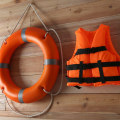
Understanding your credit score is crucial when seeking financing; a higher credit score can lead to better interest rates and terms. It’s wise to shop around for financing options from banks, credit unions, and specialized marine lenders to find the best deal that fits your financial situation. In addition to the primary costs of purchasing a boat, there are various accessories and services that may be necessary. These can include safety equipment such as life jackets and flares, trailers for transporting your boat, and docking services if you do not have a place to store it. Each of these items adds to your overall budget, so it’s important to account for them as you plan your expenses. Potential buyers should also weigh the benefits of renting boats versus buying.
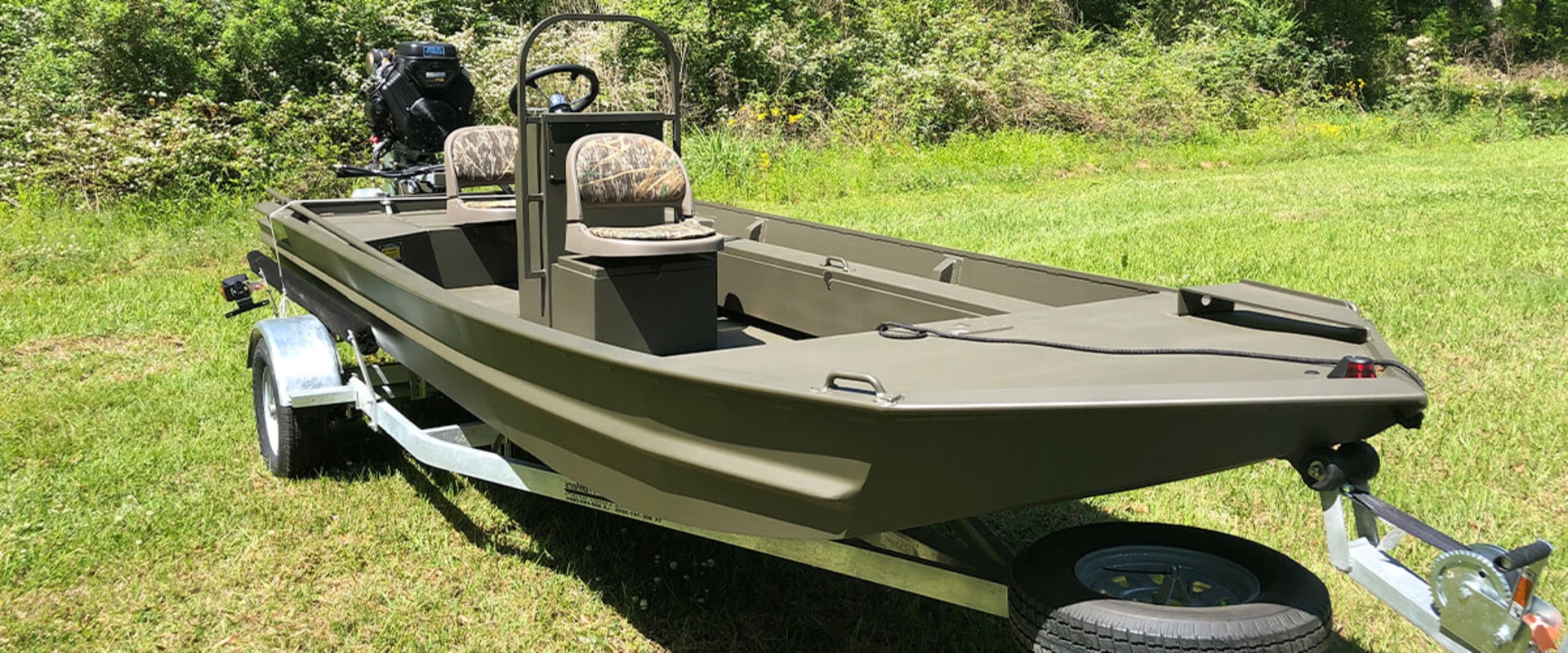
Renting can be an excellent option for those who are unsure about committing to a purchase or who only plan to use a boat occasionally. Rental services often provide flexible pricing plans that can fit various budgets without the long-term financial commitment associated with ownership. This approach allows individuals to enjoy boating experiences without the associated maintenance and storage responsibilities. When discussing types of boats, it is essential to recognize the wide range of options available, each with its price range. For example, small sailboats may start at around $5,000, while larger motorboats can easily exceed $100,000.
Understanding where your budget fits within these ranges will help you narrow down your choices effectively. Lastly, potential disagreements regarding new versus used boats can significantly affect budgeting decisions. New boats often come with warranties and advanced features but at a higher price point. On the other hand, used boats can offer substantial savings but may require more maintenance and repairs over time. Weighing the pros and cons of each option is vital in ensuring that your purchase aligns with your budgetary constraints. In summary, budgeting for buying a boat involves understanding the total cost of ownership, researching vendors, exploring financing options, considering additional accessories and services, and evaluating whether renting may be more suitable for your needs.
By taking these factors into account, prospective boat buyers can create a comprehensive budget that leads to a fulfilling boating experience.
Finding Reputable Boat Vendors
When embarking on the journey of purchasing a boat, finding reputable boat vendors is crucial to ensure a smooth buying experience. Here are some essential tips to help you identify trustworthy dealers and private sellers. First, conduct thorough research on local boat dealerships and private sellers. Look for online reviews and ratings from previous customers, which can provide insights into their credibility. Websites like Yelp and Google Reviews can be invaluable resources. Next, verify the seller's credentials.A reputable dealer should be a member of recognized industry associations, such as the National Marine Manufacturers Association (NMMA) or the American Boat & Yacht Council (ABYC). This affiliation often indicates a commitment to industry standards and customer service. Ask for referrals from fellow boaters or local boating clubs. Personal recommendations can lead you to reliable sellers who have a proven track record. Additionally, inspect the seller's inventory. Trustworthy dealers will maintain well-organized, clean showrooms or yards and provide detailed information about each boat's history, including maintenance records and any prior accidents. Finally, don't hesitate to ask questions.
A reputable vendor will be transparent about the boat's condition, pricing, and any additional costs involved. If a seller is evasive or unwilling to provide information, it may be a red flag.
Renting vs. Buying: What Fits Your Budget?
When it comes to deciding between renting and buying a boat, it's essential to evaluate both options in terms of cost and benefits. Renting a boat can be an excellent choice for those who want to enjoy the thrill of boating without the long-term financial commitment.With rental services, you typically pay only for the days you use the boat, which means you can easily adjust your spending based on your budget and boating frequency. On the other hand, purchasing a boat involves a substantial upfront investment. Along with the purchase price, buyers need to consider additional costs such as insurance, maintenance, storage, and fuel. These ongoing expenses can add up quickly, potentially straining your budget if not carefully managed. However, owning a boat also allows for greater flexibility and freedom in terms of usage. Another aspect to consider is the potential for depreciation.
Boats often lose value over time, which can affect your long-term financial planning. Renting, however, allows you to avoid this depreciation risk entirely. Ultimately, the decision between renting and buying should align with your financial goals, lifestyle preferences, and how often you plan to enjoy the water. Assessing these factors will help you make an informed choice that fits your budget.
Accessories and Additional Services
When planning your budget for buying a boat, it's crucial to consider not just the initial purchase price but also the essential accessories and services that can enhance your boating experience. These additional costs can add up quickly, so having a comprehensive budget in place will ensure you are well-prepared for the financial commitments involved. Firstly, think about safety equipment.Items such as life jackets, fire extinguishers, and first aid kits are not only necessary by law in many areas but also vital for ensuring the safety of you and your passengers. Allocate a portion of your budget to these essentials. Another significant category is maintenance supplies. Regular upkeep is key to keeping your boat in top condition, and this includes items like cleaning products, oil changes, and replacement parts. Having a maintenance fund will help you avoid unexpected expenses. Additionally, consider the cost of accessories that enhance comfort and enjoyment on the water.
This can include anything from fishing gear and water sports equipment to comfortable seating and sun protection. These items may seem like luxuries at first glance, but they play a big role in making your boating experience enjoyable. Finally, don’t forget about storage and docking fees. Whether you choose to keep your boat in a marina or on a trailer at home, these costs should be factored into your overall budget for buying a boat. Understanding all these components will help you create a realistic budget that accommodates both your immediate needs and long-term enjoyment.
Understanding Total Ownership Costs
When considering the budget for buying a boat, it is essential to look beyond the initial purchase price.Owning a boat comes with various ongoing costs that can significantly impact your overall financial commitment. Understanding these costs will help you create a more comprehensive budget and ensure a satisfying boating experience. One of the primary ongoing costs is maintenance. Boats require regular upkeep, including engine checks, hull cleaning, and system inspections. Depending on the type of boat you own, maintenance costs can vary widely.
It’s advisable to set aside a portion of your budget each year specifically for these expenses. In addition to maintenance, you must consider insurance. Just like car insurance, boat insurance protects your investment from unforeseen events such as accidents or natural disasters. The cost of insurance will depend on factors such as the type of boat, its value, and how often you plan to use it. Another significant cost is storage. If you don’t have space to store your boat at home, you will need to pay for marina slip fees or dry storage.
These fees can add up quickly, especially in popular boating areas where demand is high. Fuel is another ongoing expense that cannot be overlooked. Depending on how often you use your boat and its fuel efficiency, this cost can vary. Make sure to include an estimate of fuel costs in your budget to avoid any surprises. Lastly, consider registration and taxes. Boats are subject to registration fees and possibly sales tax, which can vary by state.
Keeping track of these costs is vital for maintaining your budget. By understanding these total ownership costs associated with boat ownership, you can create a well-rounded budget that not only covers the purchase price but also ensures that you’re prepared for the financial commitments that come with enjoying your new vessel.
Exploring Financing Options
When it comes to purchasing a boat, understanding the financing options available can significantly impact your overall budget. Whether you're buying a new or used boat, there are several avenues to explore that can help you manage the costs effectively. One of the most common methods is through a boat loan. Many financial institutions offer specialized loans for boat purchases, which typically come with competitive interest rates and flexible repayment terms. It’s essential to shop around and compare different lenders to find the best deal that fits your financial situation. If you have substantial equity in another asset, consider a home equity loan or a home equity line of credit (HELOC).These options allow you to borrow against the value of your home, often at lower interest rates than traditional boat loans. However, this method does put your home at risk, so it should be approached with caution. Another option is to explore personal loans, which can provide quick access to cash without the need for collateral. While these loans may come with higher interest rates compared to secured loans, they can be a viable choice for those who prefer not to tie their boat purchase to other assets. If you're not ready to commit to buying, consider boat leasing. This option allows you to enjoy boating without the long-term financial commitment of ownership.
Leasing typically requires lower upfront costs and can include maintenance and insurance, making it an attractive alternative for some buyers. Finally, don't forget about credit cards. While they should be used cautiously due to high-interest rates, credit cards can offer short-term financing solutions if you’re confident in your ability to pay off the balance quickly. Some cards also provide rewards that could enhance your boating experience. In summary, there are multiple financing options available for potential boat buyers. By carefully considering these methods and assessing your financial situation, you can make informed decisions that align with your budget and ensure an enjoyable boating experience. In conclusion, navigating the waters of boat ownership requires careful planning and budgeting.
As we've discussed, understanding Total Ownership Costs is crucial to avoid unexpected financial strains. Whether you choose to rent or buy, exploring Financing Options and assessing Accessories and Additional Services can significantly impact your overall budget. Finding reputable Boat Vendors is another essential step in ensuring a smooth purchasing experience. Remember, taking your time to evaluate your financial situation and aligning it with your boating aspirations will lead to a more fulfilling experience on the water. Make informed decisions, and enjoy the journey of boat ownership!.